한국 아이폰
홈페이지
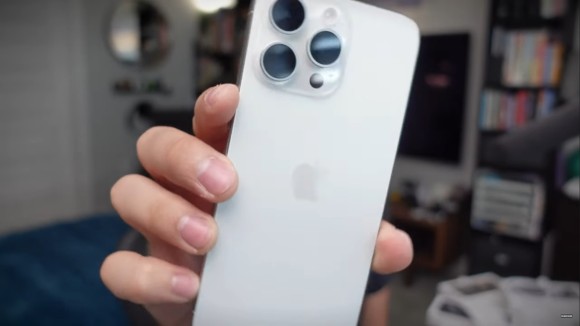
아이폰15 프로 내추럴 티타늄 스펙, 가격, 할인까지 알아보자!
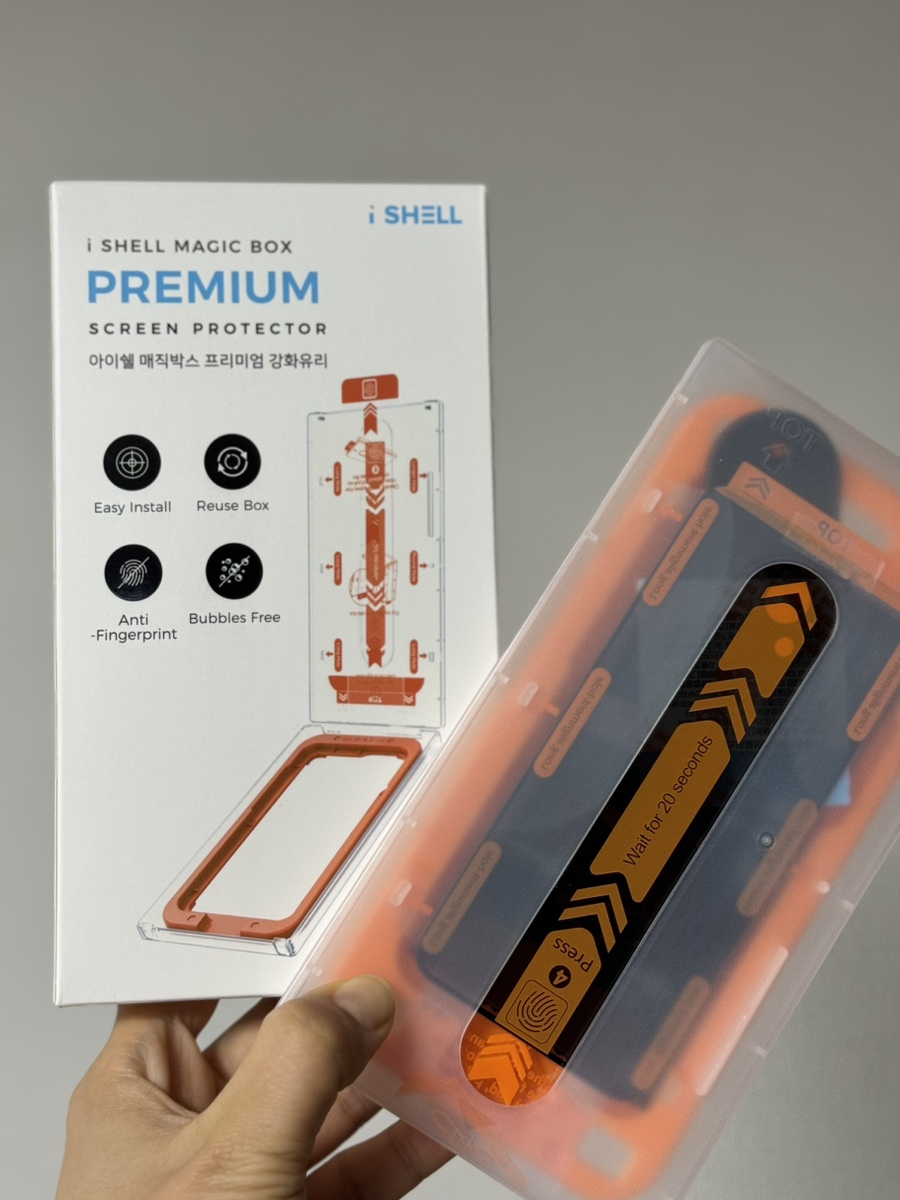
아이폰 액정필름 아이쉘 매직박스 강화유리 사생활 보호필름
아이폰 통화 종료 후에 실수로 잘못 전화 걸기 눌림 방지하는 방법 알아보기 - 단축어 자동화 기능으로 뚝딱
아이폰 소액결제 현금화 실현하기
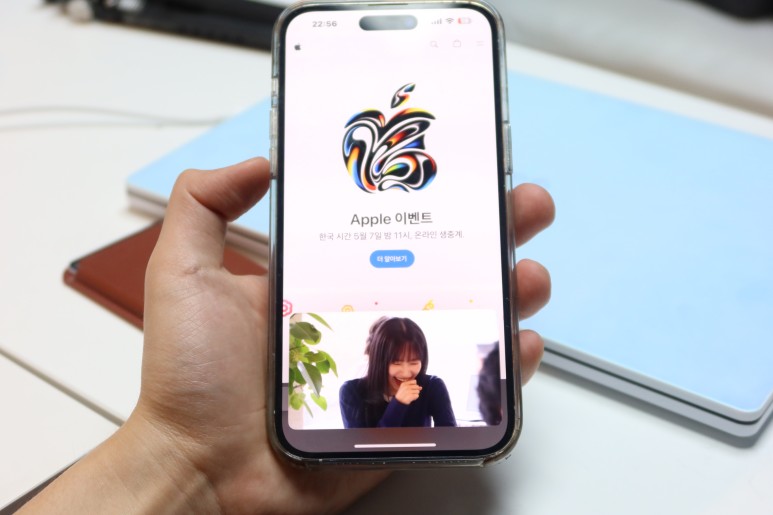
아이폰16 출시일 예상을 위한 역대 아이폰 출시일 비교
핸드폰 클립보드 보는법 고정 사진, 아이폰은 네이버 스마트보드로.
아이패드에어 5세대 & 아이폰 15프로 특가 행사안내(롯데하이마트 오리점)
광주중고폰 스마트8949 아이폰 11 중고로 구매했는데 괜찮네요!
아이폰 문자 읽음 아이 메세지 기능으로 확인하는 방법
아이폰 케이스를 버리며
아이폰 배경화면 (29)
아이폰케이스 어프어프X스머프 딸기 코비 치치 구매 후기
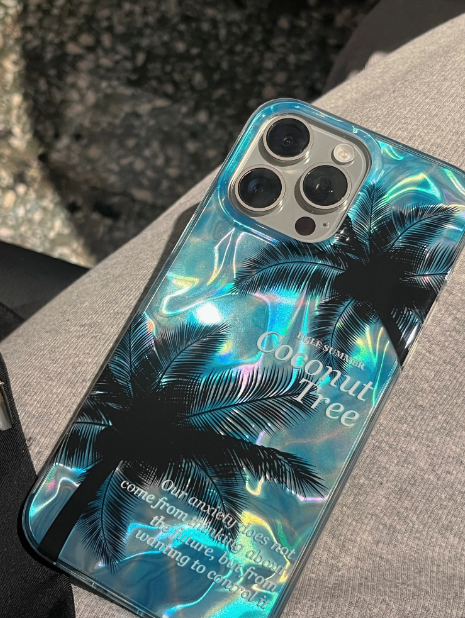
(폰케이스 추천) 하와이안 야자수 블루 홀로 젤리케이스 Y2K 아이폰케이스 귀여운아이폰케이스 아이폰 15 14 13 12
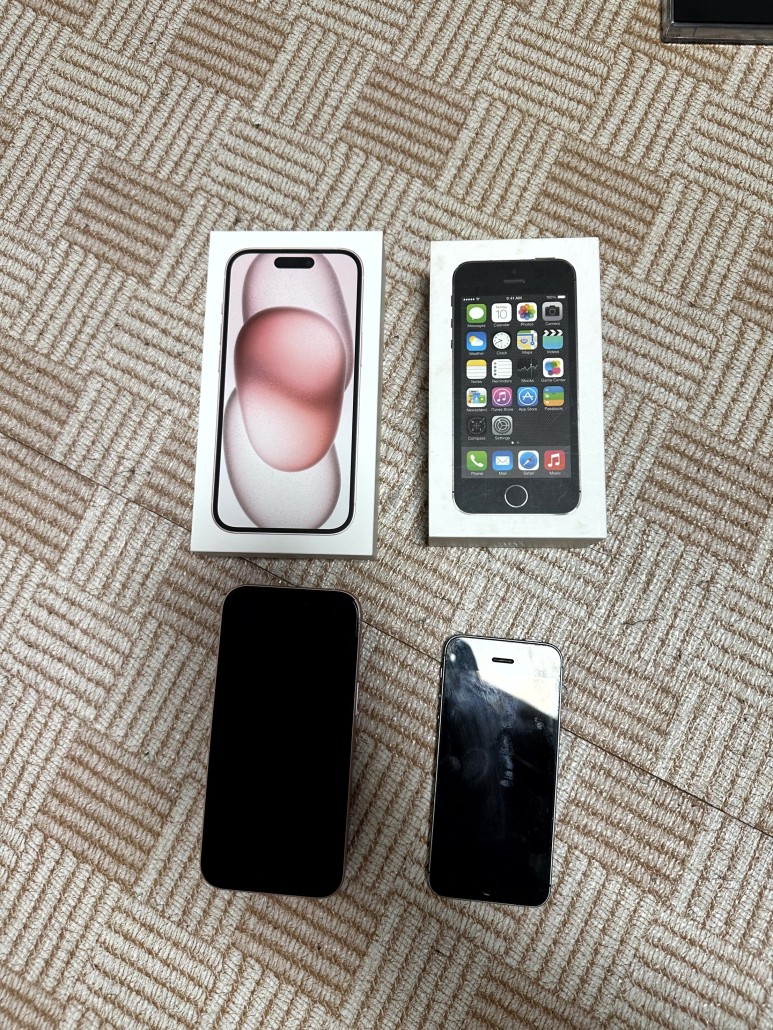
어머니의 아이폰을 바꾸다
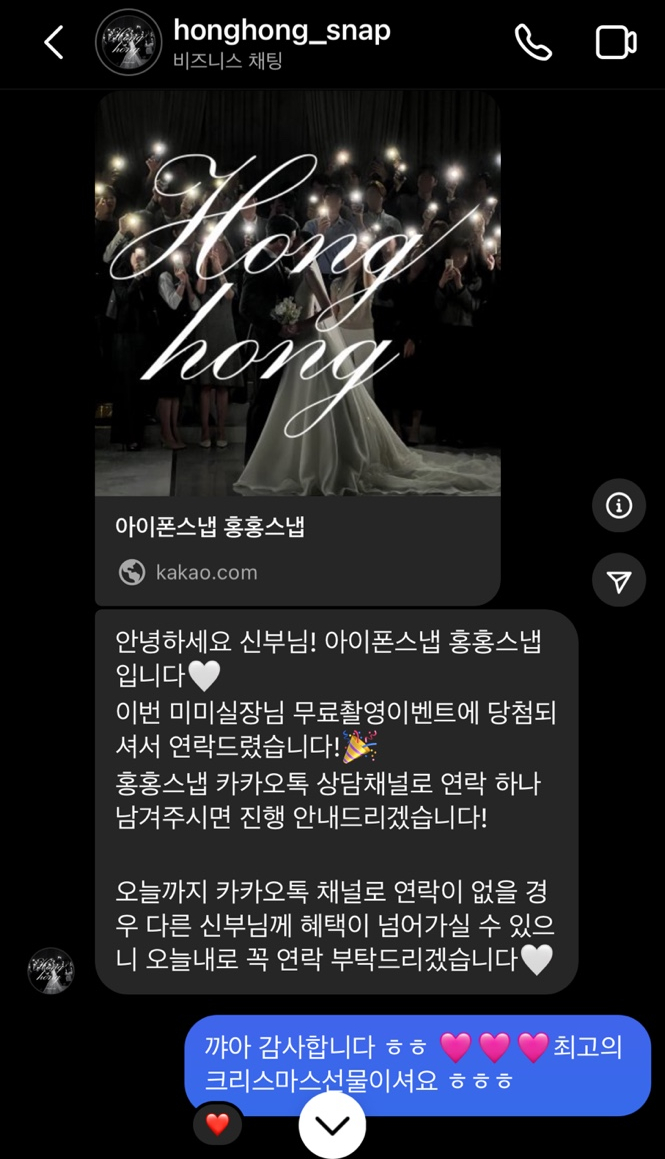
Wedding day 기록(아이폰스냅/홍홍스냅 추천)
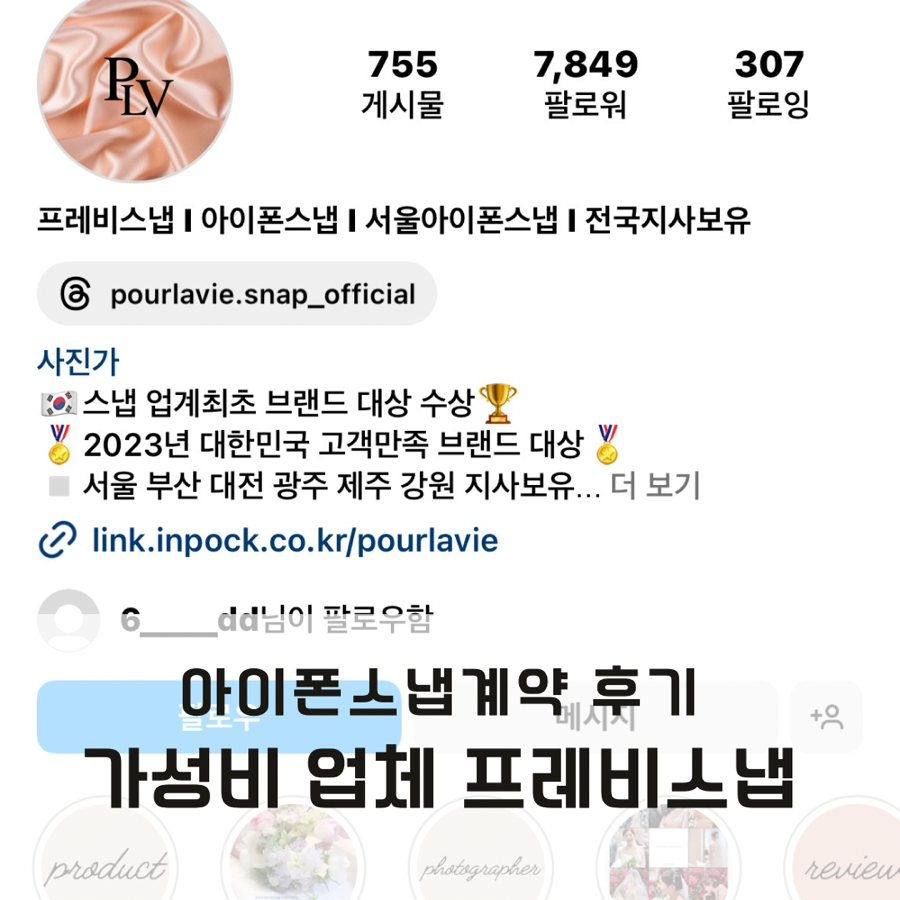
아이폰스냅 추천 가격 프레비스냅 짝꿍 코드 추천인 가성비 계약 후기
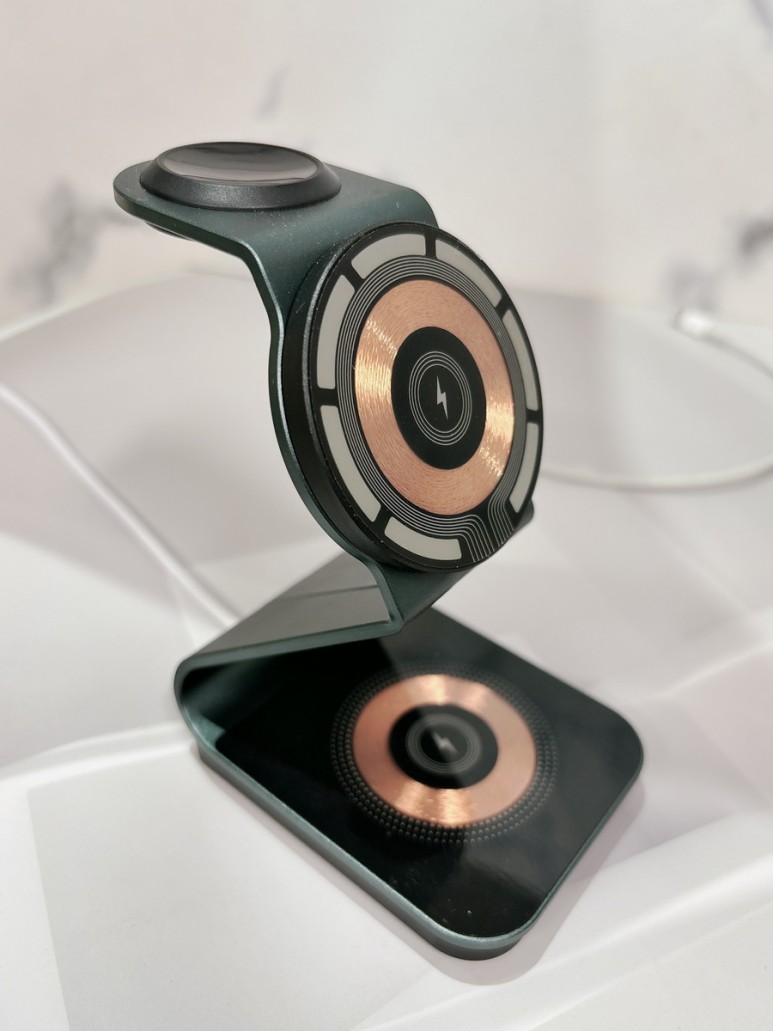
아이폰15플러스와 에어팟 동시충전, 나인어클락맥세이프충전기
Wedding day 기록(아이폰스냅/홍홍스냅 추천)
유튜브 백그라운드 재생 아이패드 아이폰 유튜브 PIP 설정 사용법
[아이폰13미니자급제] 추천상품 / Apple 아이폰 13 mini 자급제, 128GB, 미드나이트
아이폰 글자 크기 줄이기 늘리기
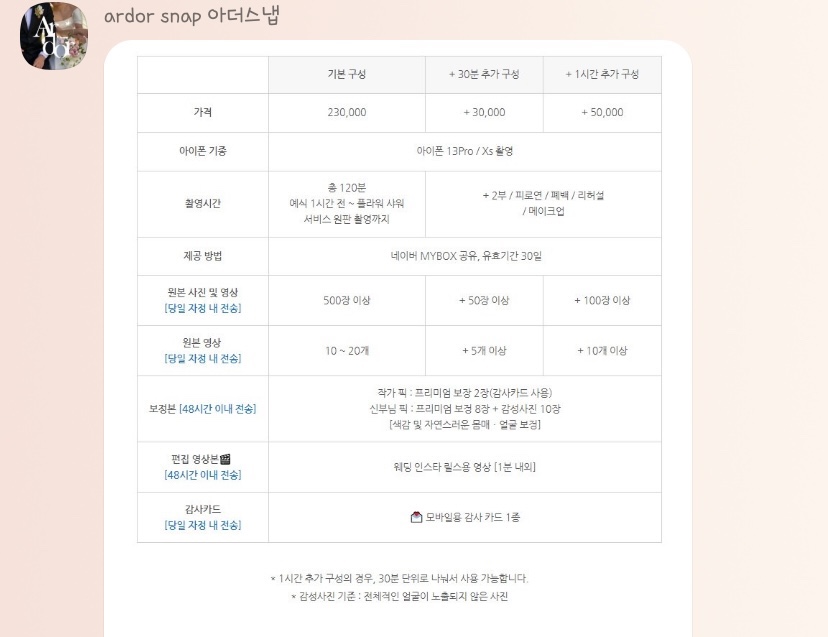
진주 아이폰 스냅 아더스냅 계약 후기
[16.아이폰 카카오톡 테마 공유] 곰젤리 카톡테마 나머지 다섯가지맛
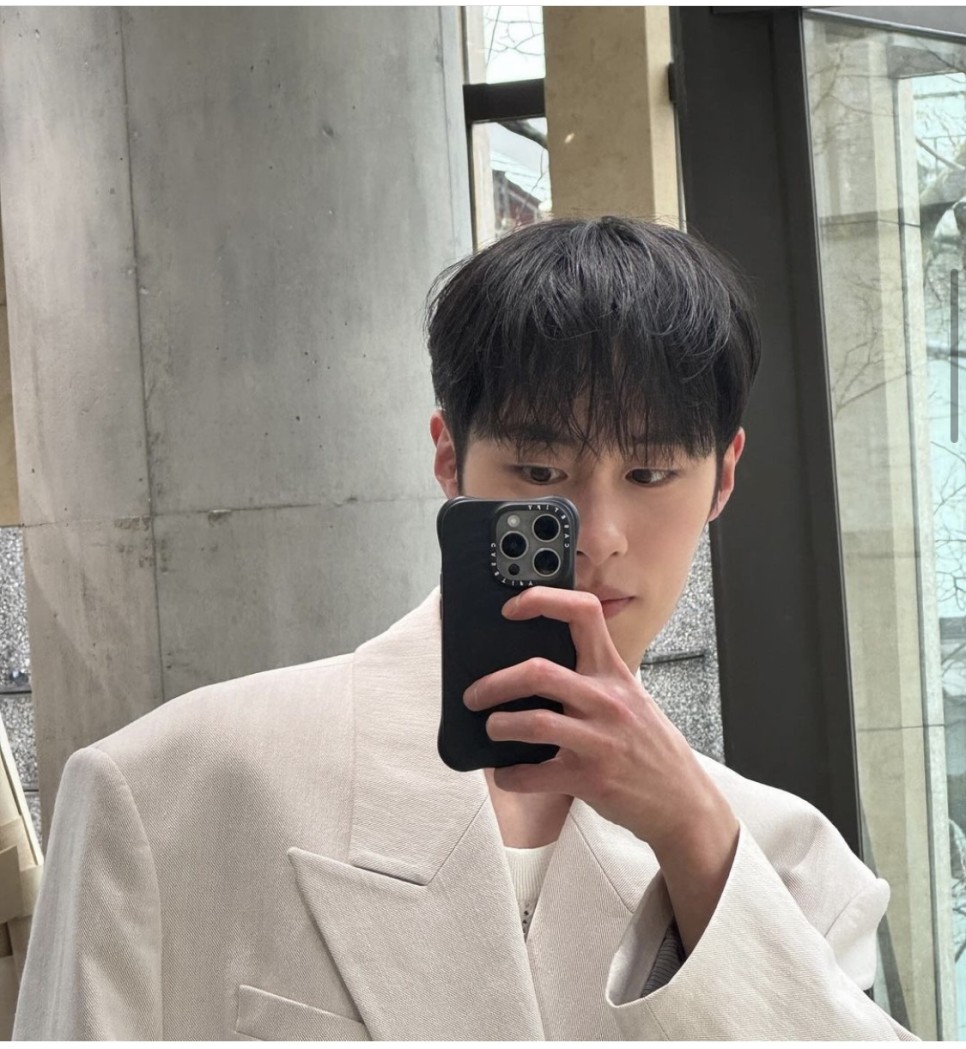
이재욱 인스타 속 폰 케이스 케이스티파이 리플 케이스 남성 아이폰 케이스로 추천!
아이폰 앱 시간제한 1분 만에 설정하는 법(ft. 스크린타임)
W34. 드디어 본식 마치다! 르로제스냅 본식 후기(아이폰스냅 추천)
아이폰 콘텐츠이용료 결제 방식 및 진행 과정
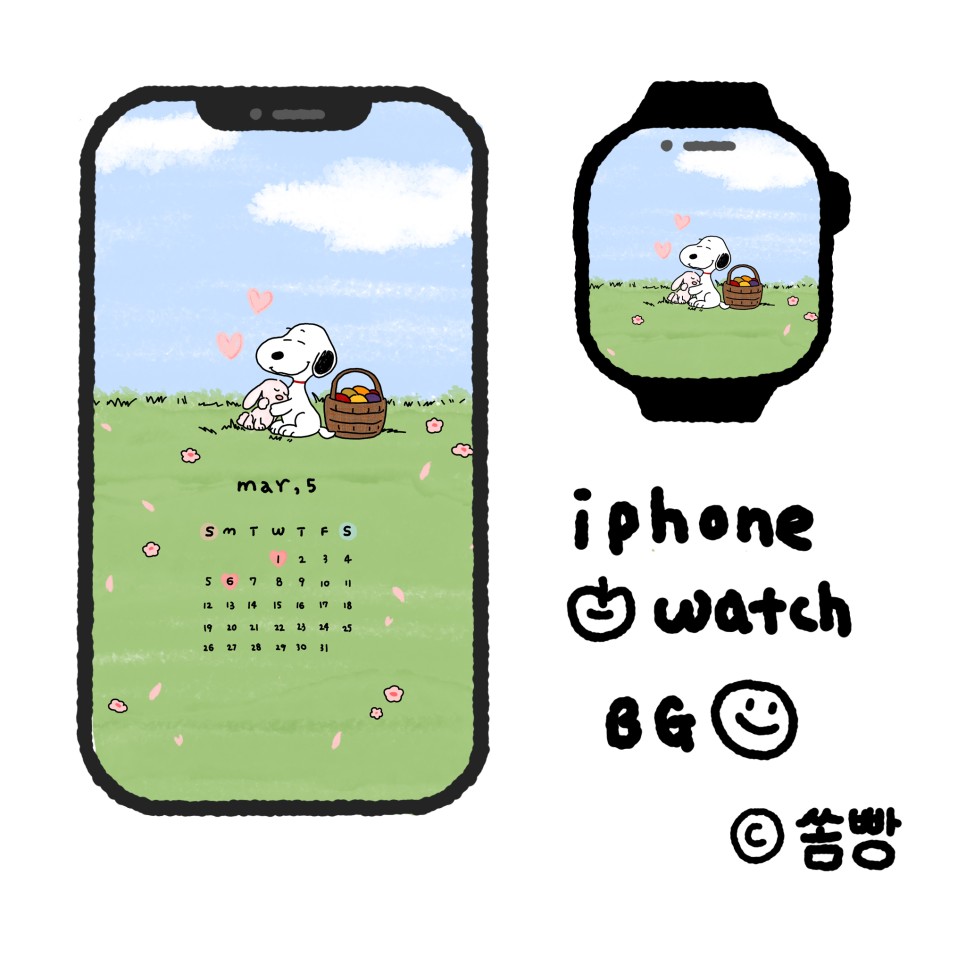
아이폰 2024년 5월 달력 배경화면 (애플워치 스누피 배경화면)
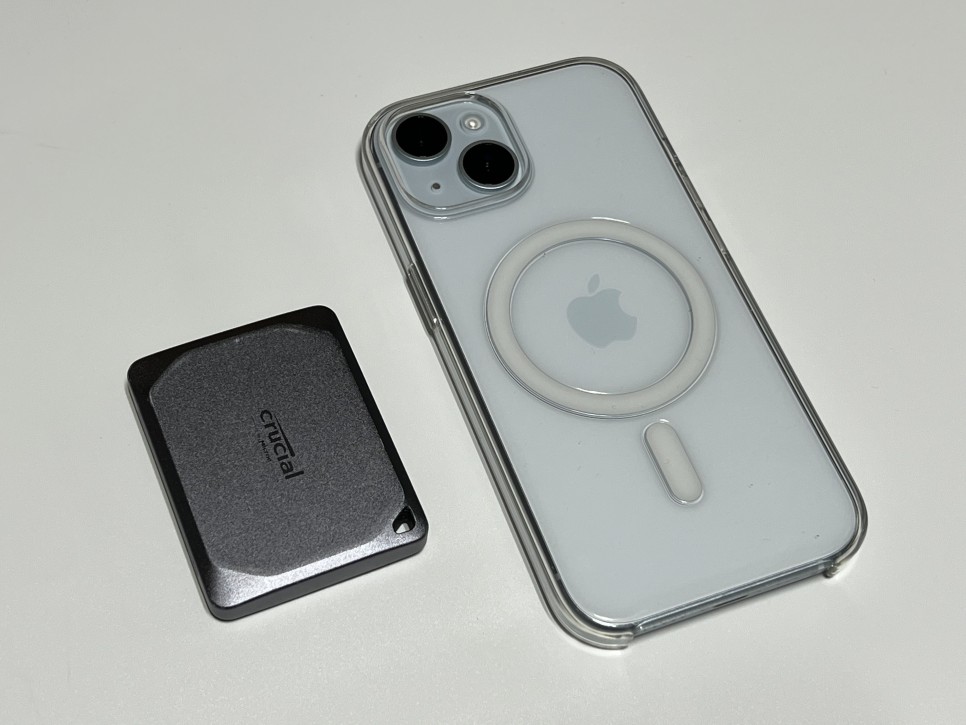
아이폰15 C타입 1테라 외장하드 마이크론 X10 PRO 사용기 (대원씨티에스)
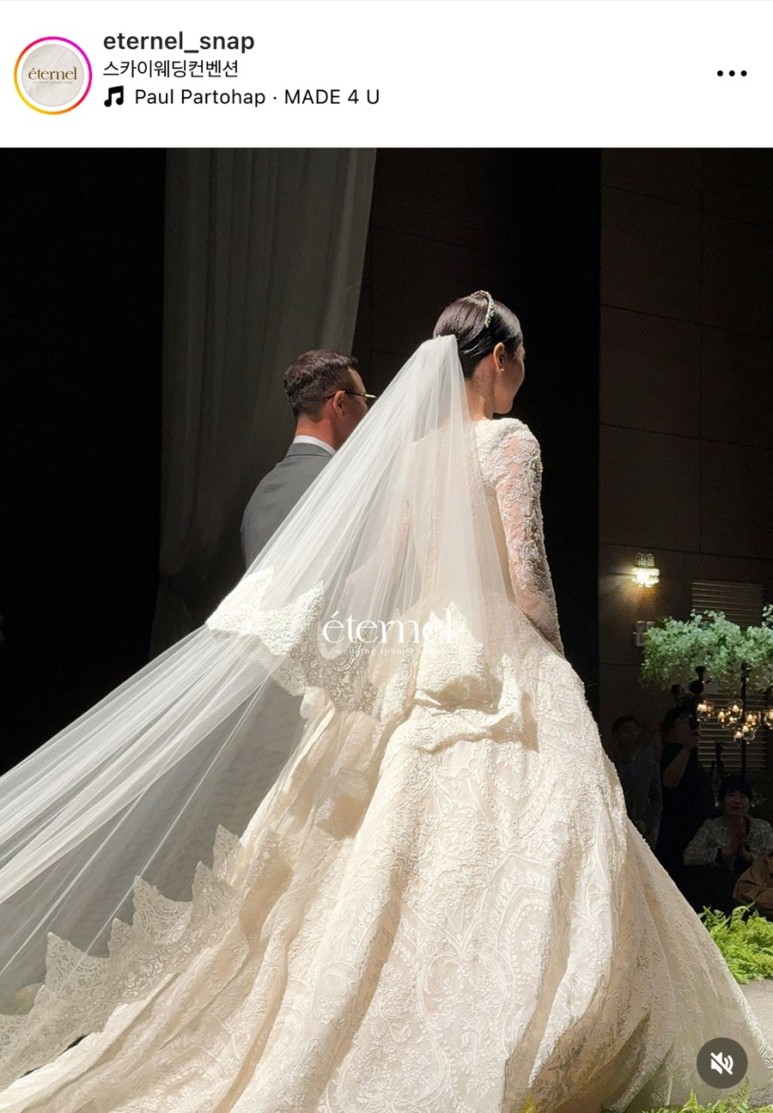
W. 에떼르넬 | 광주 아이폰스냅 계약