한국 아이폰
홈페이지
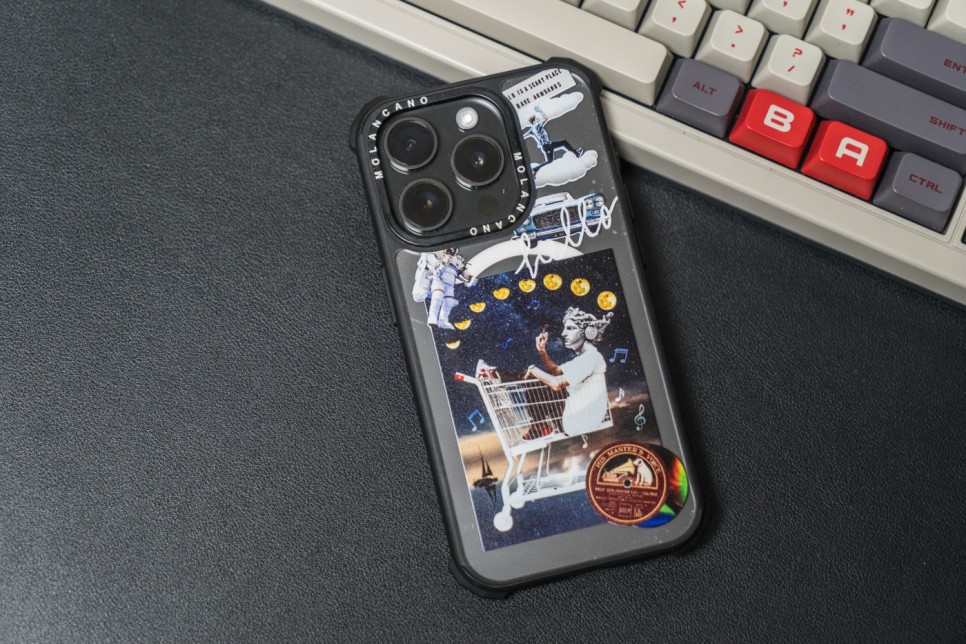
[모어워리]젤하드케이스 맥세이프케이스 아이폰 갤럭시 스마트톡 세트
아이폰16 AI 기능 대거 탑재되고 온디바이스까지 적용될 듯
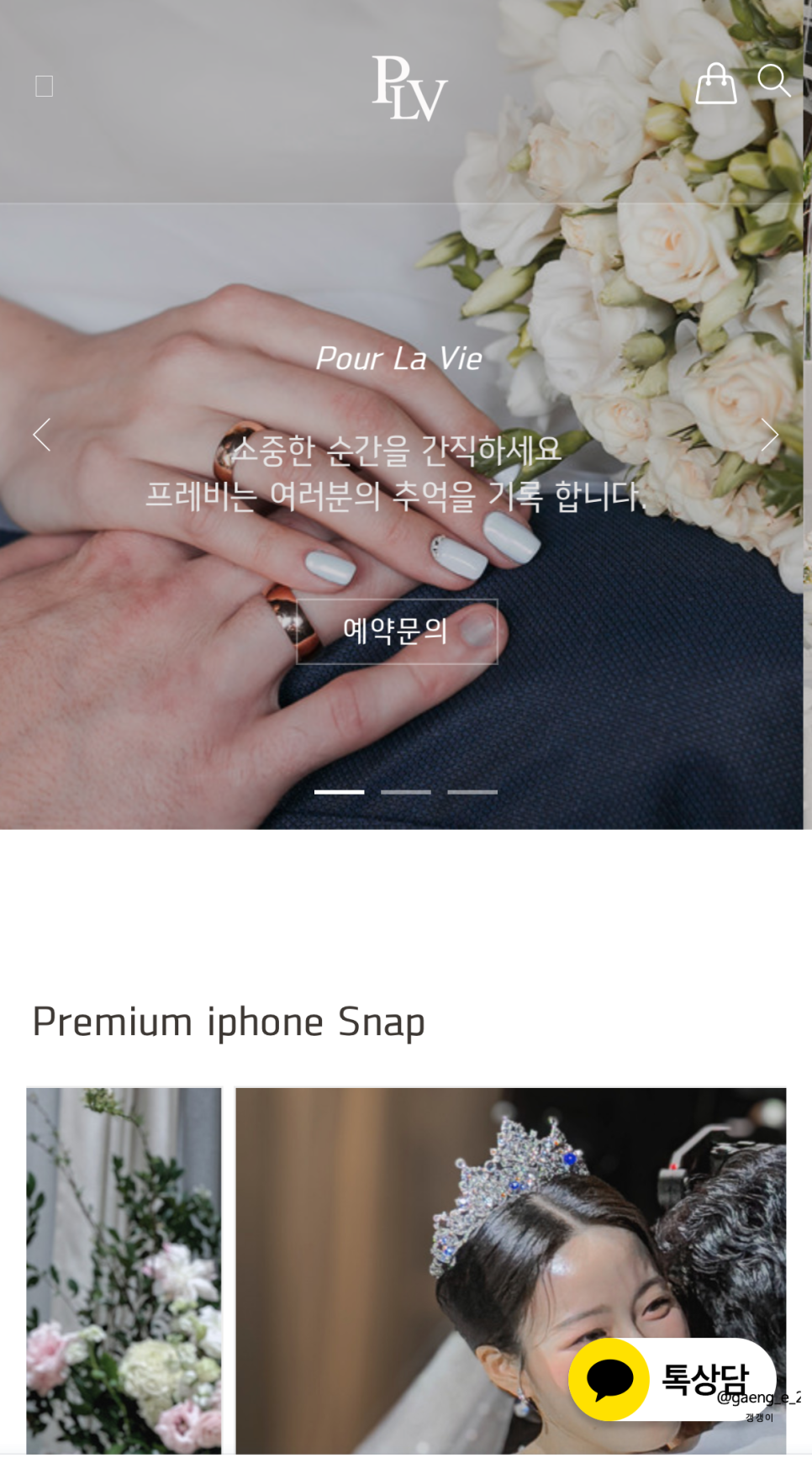
아이폰스냅추천 프레비스냅 짝꿍할인 코드 있음
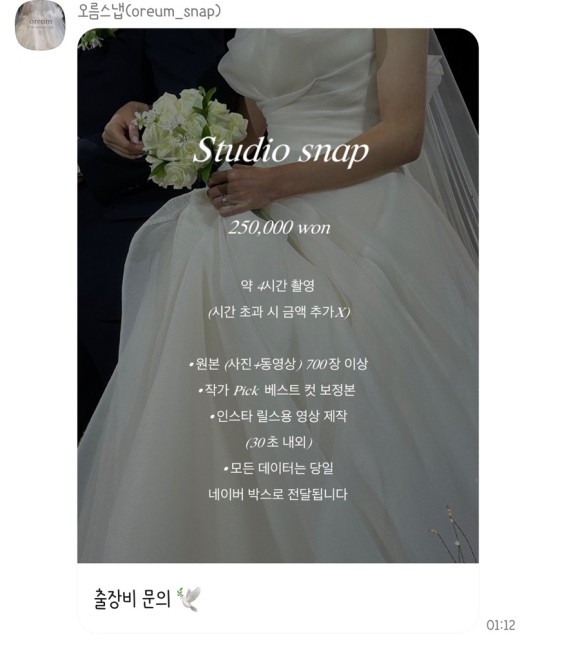
W. 아이폰 스냅, 순천 아이폰 스냅, 본식 스냅, 짝꿍할인, 오름스냅
울산 돌잔치 아이폰 스냅 그레이스 계약하다!
아이폰 정보이용료 주의하고 이용하기
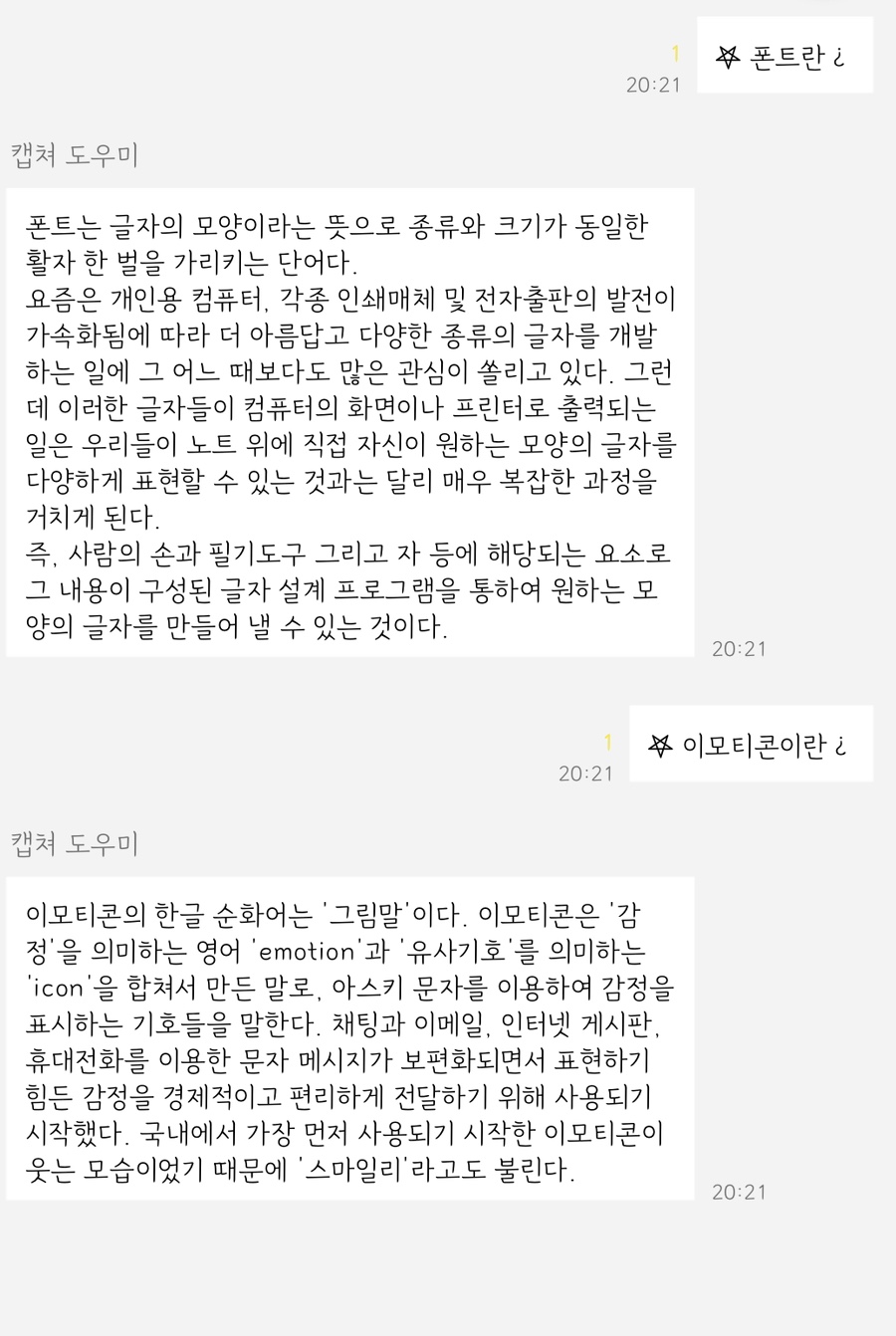
아이폰 “무료”폰트 추천 『강원모두교육체Light』
울산 돌잔치 아이폰 스냅 그레이스 계약하다!
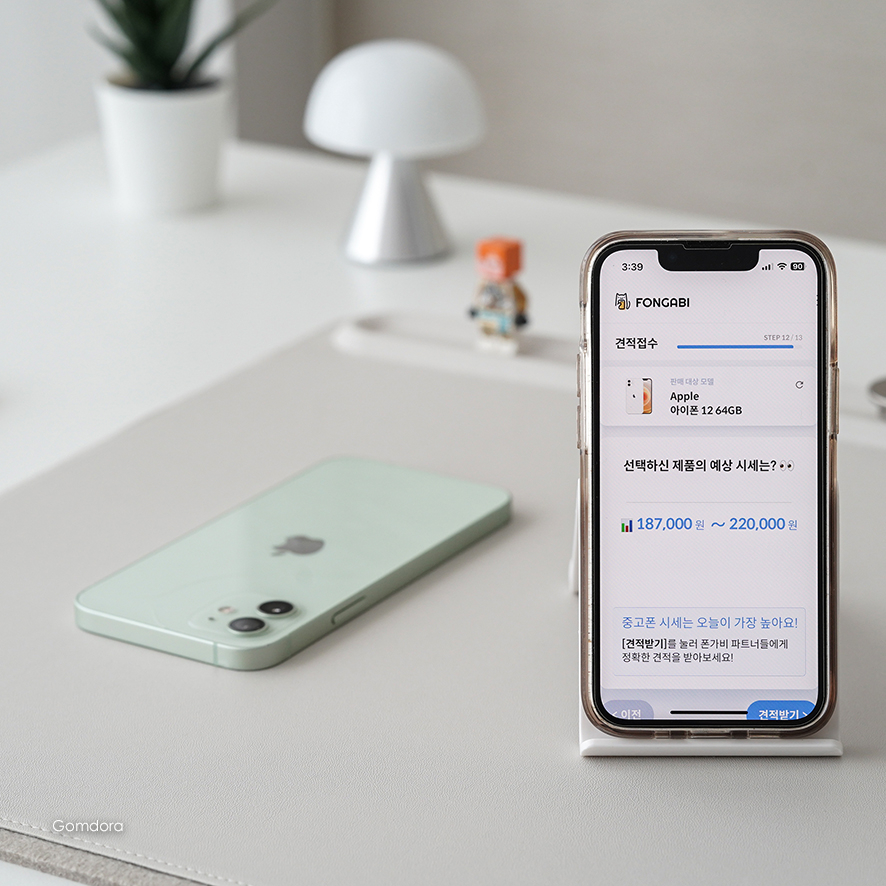
아이폰 12 내 폰 팔기 리뷰 어플로 중고 핸드폰 매입 방법
군대 아이폰 사용 금지 이유 6월부터 적용
iPhone 15의 새롭게 변화한 모습
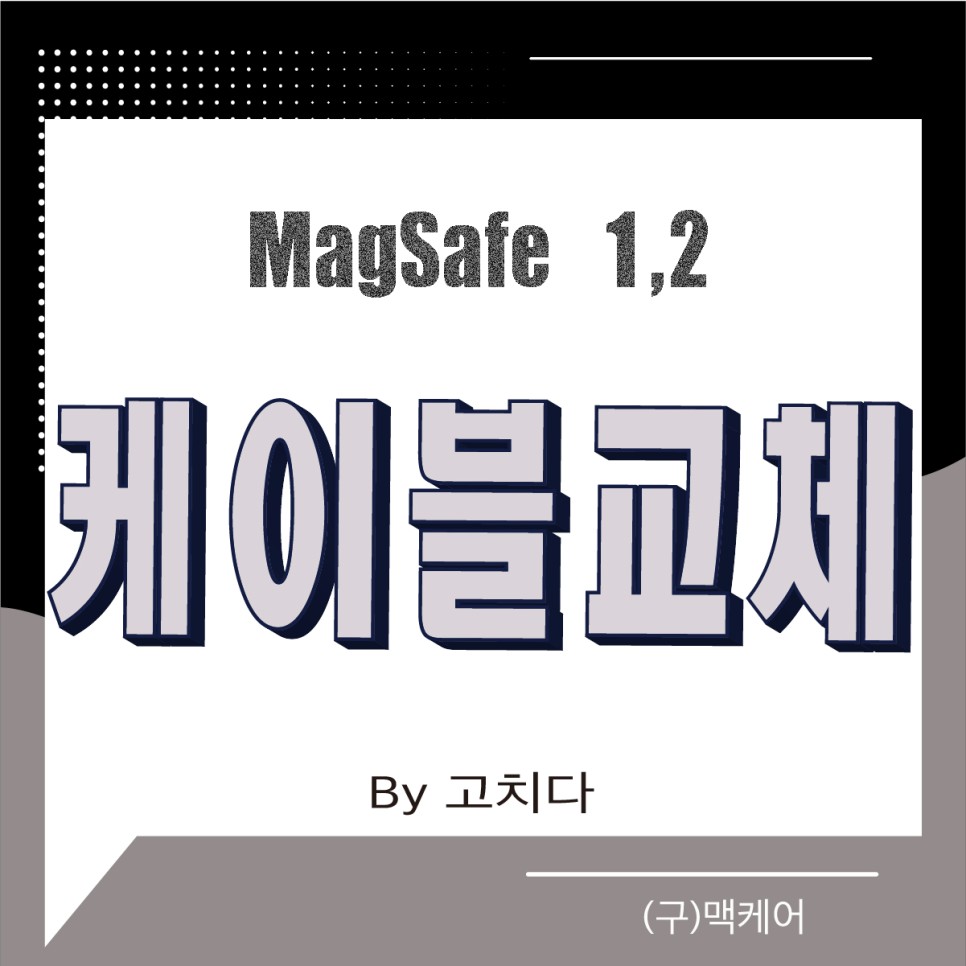
<맥북 어댑터 고장,맥세이프 케이블 수리>아이폰수리/홍대맥북수리/아이맥수리/애플사설수리/홍대고치다 애플 독립수리업체 구형 맥북 충전기
변색 없는 아이폰 투명케이스 슬림 제트스킨 아이폰15 프로맥스
<맥북 어댑터 고장,맥세이프 케이블 수리>아이폰수리/홍대맥북수리/아이맥수리/애플사설수리/홍대고치다 애플 독립수리업체
아이폰 미러링을 위한 최고의 앱 5선
Wedding #12. 안산AW 본식 10만원대 아이폰스냅 ‘유월애’ 계약 후기 할인코드 공유 짝꿍할인 받아요 밝은홀 아이폰스냅 추천
아이폰, 아이패드, 맥북 특가 레츠고!!
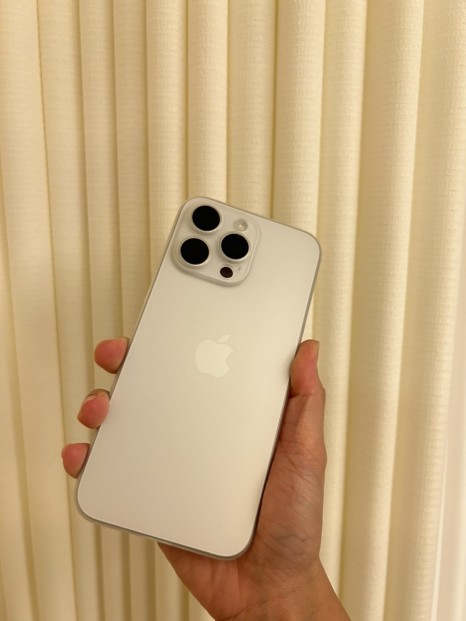
아이폰 15 PRO MAX 가격,크기,색상 체크! 할인 꿀팁까지~
아이폰 일기 앱 페이스 아이디 및 비밀번호 설정하여 잠그기
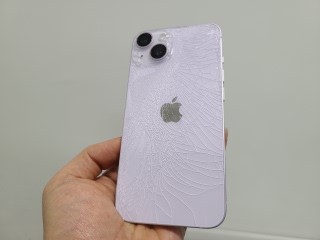
아이폰15프로 뒷면 유리 깨짐 발생 했어요
부산 웨딩스냅촬영 헬퍼 메아트 안지 헬퍼, 아이폰 스냅
아이폰14프로맥스 베터리팽창 전면카메라고장 후면카메라멍 후면유리파손 카메라유리까지 수리및교체비용
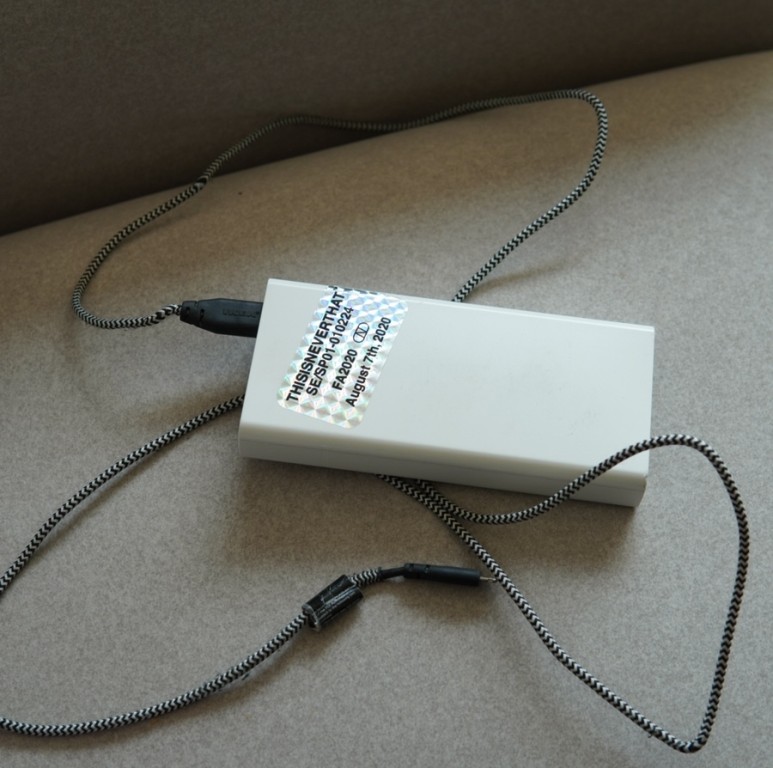
핸드백에 쏙 들어가는 도킹형 무직타이거 아이폰 보조배터리 5000mAh
아이폰 정보이용료 조심스레 사용하기
아이폰스냅 계약완료;D(프레비스냅/내돈내산/아이폰스냅추천)
아이폰스위치 라이젠 고해상도 모니터 것입니다.
아이폰스냅 비추 말고 이유있는 추천! 업체 선정 꿀팁과 10만원대 가격 및 고퀄리티 가능한 곳 공유
아이폰 배터리 성능 75 80 87 90 교체 비용 확인 방법
요즘 내가 산 애정템 아이폰13미니 자급제 | Apple 아이폰 13 mini 자급제, 128GB, 미드나이트
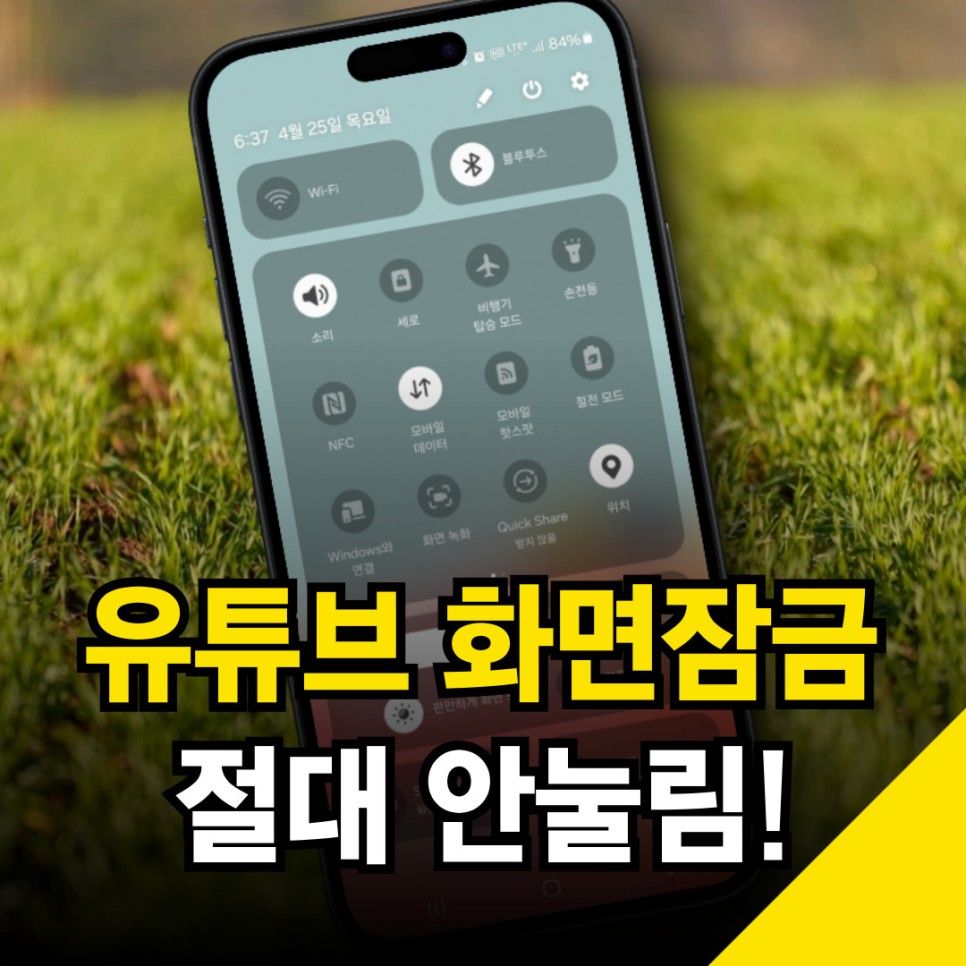
유튜브 화면잠금 아이폰, 갤럭시 똑같아요!!(feat. 뮤직)